Will Batch Zero Project Sort Out ERCOT's Large Load Queue?
What's Happening with the Batch Zero Project?
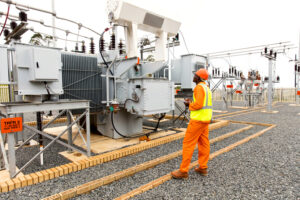
Texas is seeing fast growth in power demand from data centers and other large users. This growth is putting pressure on how ERCOT reviews projects that want to connect to the grid. The Batch Zero Project aims to update that process and help manage how much new demand the Texas power system can handle. For many homes, the key question is whether these changes will protect reliability and keep electricity prices from rising too fast.
Why ERCOT Needs a New Process
ERCOT’s review system was built for a much smaller number of projects. In the past, the grid operator expected to review about 50 large load projects at a time. But last year, ERCOT received about 225 requests for large new loads. Many of these requests came from data centers and high-tech computing sites.
This surge has slowed the current review process. Each project must be studied to see if the grid can supply the power and what new power lines may be needed. With so many requests arriving at once, ERCOT is now looking for a better way to review them.
What the Batch Zero Project Will Do
The Batch Zero Project is ERCOT’s first step toward a new study system. Instead of reviewing projects one at a time, ERCOT plans to review them in groups.
With this method, ERCOT will study several large load requests together. The goal is to estimate how much new demand the grid can support over about six years. The study will also look at what new power lines or grid upgrades Texas may need to serve those projects. This group review process should help developers learn sooner if their projects can move forward.
Controllable Loads and On-Site Generation
At the same time, ERCOT is studying ways to make large power users more flexible. Two ideas under review are Controllable Load Resources (CLR) and Bring Your Own Generation (BYOG).
With controllable loads, large sites such as data centers could cut or pause their power use during times of grid stress. BYOG allows a project to build its own power source on site to supply some of its electricity. Both ideas could help reduce pressure on the grid while still allowing new projects to grow.
When Will the Batch Zero Project Begin?
ERCOT is still working on the rules for the Batch Zero Project. Planning began in 2026, and the new study process is expected to guide how future large load projects are reviewed over the next few years.
Will Batch Zero Lower Costs for Homeowners?
The main goal of the Batch Zero Project is better grid planning. By studying large loads more carefully, ERCOT hopes to avoid sudden grid problems or rushed upgrades. However, the effect on home electricity bills is less clear. Building new power lines and new generation can increase system costs over time.
If the new process helps ERCOT plan ahead and avoid last-minute fixes, it may help slow cost increases in the future. To compare retail power plans and stay informed about market changes, visit http://www.texaselectricityratings.com/electricity-rates.


Comments
Post a Comment